Source reusable wet dry mop head for Home, Hotel, and Garden
Find 30 listings for the reusable wet dry mop head with options for cotton, microfiber, and PP materials. Buyers can compare twist handles, eco-friendly features, and delivery times ranging from 7 to 30 days across various models.
Key considerations
Products List


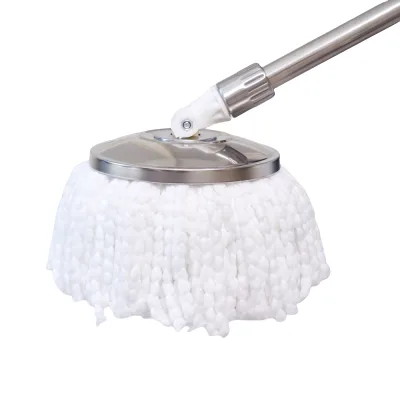
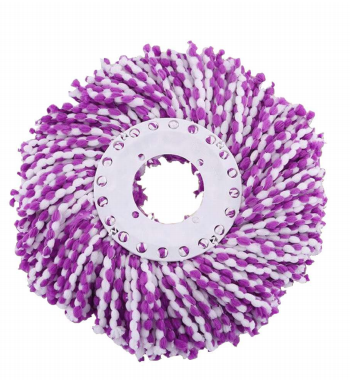


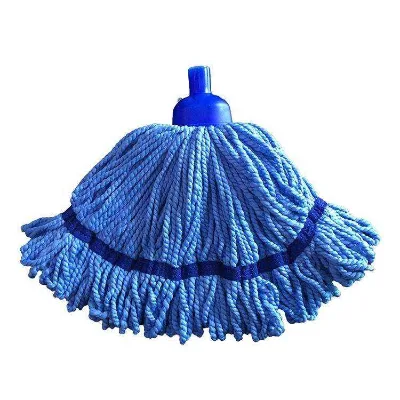
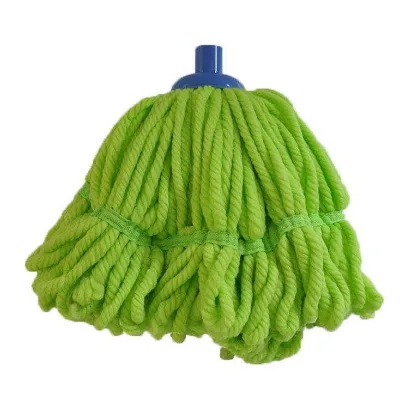
Comprehensive Sourcing Guide
Reusable Wet Dry Mop Head Sourcing Guide
Sourcing reusable mop heads requires a strategic approach that balances material durability, cleaning efficacy, and commercial viability. The market for these components is diverse, ranging from simple cotton loops to advanced microfiber twist-knit technologies. Buyers must navigate a landscape where product attributes vary significantly by model, with origins predominantly centered in Zhejiang, China. Understanding the specific technical requirements of your cleaning operations is the first step in filtering the available inventory, which currently spans a wide array of specifications including plastic, wooden, and iron-based components.
This guide provides a structured framework for evaluating suppliers and products based on observed market data and trusted category knowledge. It focuses on actionable verification steps rather than generic advice. By adhering to the evidence-based insights provided, procurement teams can mitigate risks associated with quality inconsistencies and supply chain delays. The following sections detail the scope of available products, critical technical specifications, compliance requirements, cost structures, supplier qualification methods, and long-term procurement strategies.
Product Scope and Observed Listing Signals
The current market offers a variety of mop head types, with spin mops and broom-style cleaning tools being prominent categories. Observed listings indicate that mop heads are frequently constructed from cotton or microfiber materials, with some variants featuring warp-knitted twist techniques for enhanced absorbency and durability. The product range includes specific models such as CM-001, CM-021, and W25001, each catering to different cleaning needs. Additionally, there are specialized items like ceiling brushes made from PP material, indicating a broader scope of cleaning accessories available from the same supplier base.
Color and customization options are significant differentiators in this sector. Products are available in multicolor, red, blue, and green variants, allowing for color-coding strategies in commercial environments like hotels and hospitals. Customization is widely available, with suppliers offering tailored sizes, weights, and packaging solutions. The observed price range of $0.12 to $2.20 USD suggests a highly competitive market with options for both budget-conscious and premium procurement strategies. Buyers should note that while many products are standard, the ability to customize features such as handle type and head material is a key advantage for specialized operational requirements.
Technical Specifications to Verify
Material composition is the most critical technical factor to verify, as it directly impacts cleaning performance and lifespan. Mop heads are typically made from cotton or microfiber, with some models incorporating iron or plastic components for structural support. The twist-knit technique is a notable feature in high-performance microfiber heads, offering quick-dry properties and sustainability benefits. Buyers must confirm the exact material blend and construction method, as these determine the mop’s ability to trap dust and moisture. Additionally, the weight of the product, observed in the range of 240-250g for certain models, can influence user fatigue and cleaning efficiency.
Packaging and dimensional specifications are equally important for logistics and storage planning. Products are packaged in cartons, woven bags, PE bags, or OPP bags, with some items including blister packaging for retail readiness. Standard dimensions such as 863250CM are noted for certain bulk packaging configurations. Buyers should verify the exact dimensions and packing quantity per carton to optimize shipping volume and storage space. Furthermore, the availability of customized sizes and weights allows for tailored solutions, but these must be clearly defined in the purchase order to avoid discrepancies in the final delivered goods.
Compliance and Safety Documentation
While specific certification statuses are not universally listed for all products, buyers must ensure that suppliers can provide relevant safety and quality documentation upon request. This includes material safety data sheets (MSDS) for any chemical treatments applied to the cotton or microfiber, as well as compliance with international standards for textile products. Given that many products originate from Zhejiang, China, buyers should verify adherence to export regulations and any specific standards required by their target market, such as REACH for Europe or CPSIA for the United States.
Documentation should also cover the manufacturing process and quality control measures. Suppliers should be able to demonstrate that their production lines follow consistent standards, with models like B11051 and xy-mop11 representing specific quality tiers. Buyers must request evidence of quality assurance protocols, including inspection reports and batch testing results. This is particularly important for products intended for use in sensitive environments like hospitals or food service areas, where hygiene and material safety are paramount.
Cost Drivers and Commercial Terms
The cost of reusable mop heads is influenced by material quality, customization level, and order volume. The observed MOQ range of 500 to 10,000 pieces indicates that smaller orders may incur higher per-unit costs, while larger volumes can leverage economies of scale. Payment terms typically involve T/T (Telegraphic Transfer), which is standard for international trade but requires careful financial planning. Buyers should negotiate payment structures that align with their cash flow, potentially using letters of credit for larger transactions to mitigate risk.
Delivery times are another significant commercial factor, with lead times ranging from 7-15 days for some models to within 30 days for others. This variability depends on the complexity of the order, including any customization requirements. Buyers must account for these lead times in their inventory planning to avoid stockouts. Additionally, shipping costs and import duties should be factored into the total landed cost, as these can significantly impact the final price. Clear communication with suppliers regarding delivery schedules and potential delays is essential for maintaining operational continuity.
Supplier Qualification and Quality Control
Supplier qualification begins with verifying the company’s background and production capabilities. Given that many suppliers are located in Zhejiang, China, buyers should conduct due diligence to confirm their legitimacy and capacity. This includes checking business licenses, factory audits, and past performance records. Suppliers offering customization services should demonstrate their ability to handle specific requirements, such as custom packaging or unique material blends. Quality control processes must be robust, with clear protocols for inspecting raw materials, in-process production, and finished goods.
Buyers should implement a rigorous quality control plan that includes pre-shipment inspections. This involves verifying product dimensions, material composition, and packaging integrity against the agreed-upon specifications. Random sampling and testing for durability and absorbency can help identify potential issues before shipment. Establishing a clear communication channel with the supplier for addressing quality concerns is crucial. Buyers should also consider third-party inspection services for large orders to ensure independent verification of quality standards.
Long-Term Procurement Checks
Long-term procurement success depends on building a resilient supply chain that can adapt to changing market conditions. Buyers should regularly review supplier performance metrics, including on-time delivery rates, product quality consistency, and responsiveness to issues. Establishing a multi-supplier strategy can mitigate risks associated with single-source dependencies. Regular audits and relationship-building activities can help maintain high standards and foster collaboration.
Continuous improvement initiatives should be integrated into the procurement process. This includes gathering feedback from end-users to identify areas for product enhancement and working with suppliers to implement these changes. Staying informed about industry trends and technological advancements in mop head design can provide a competitive advantage. By maintaining a proactive approach to supplier management and quality assurance, buyers can ensure a steady supply of high-quality reusable mop heads that meet their operational needs.
FAQs
What materials are used for the mop head?
The mop head material is primarily cotton, with some options available in iron and plastic. This ensures durability and effective cleaning performance for various household surfaces.
Can I customize the product specifications?
Yes, customization is available for this product line. Buyers can request specific sizes, weights, and packaging options to meet their unique business requirements and market needs.
What is the typical delivery time for orders?
Delivery times vary between 7 to 30 days depending on the specific product model and order volume. Most suppliers can ship within 30 days, while some express options take 7 to 15 days.
Which handle types are available for these mops?
Available handle types include wooden and plastic options, with a twist handle mechanism for wringing. These designs offer ergonomic comfort and efficient water removal during cleaning tasks.
What is the minimum order quantity for bulk purchases?
The minimum order quantity ranges from 500 to 10,000 pieces depending on the specific product model. Buyers should check individual listings to confirm the exact MOQ for their selected item.
Where are these products manufactured?
These products originate from Zhejiang, China, and the Mainland region. This location is a known hub for manufacturing cleaning tools and household supplies with established export capabilities.
What packaging options are provided for shipping?
Packaging options include cartons, woven bags, PE bags, and OPP bags. Some items are packed in blister packages within carton boxes to ensure safe transport and retail readiness.